
Skip to content
Grammer Glow

Grammar Glow

  • Home
  • ContactExpand
    • Terms of Service
    • Disclaimer
    • About us
  • BlogExpand
    • Writing Tips
    • Language Devices
    • Grammar
    • Plural Nouns
    • Phrase Alternatives
Grammer Glow
Grammar Glow
  • Motif vs Theme: Clarifying the Confusion
    Language Devices

    Motif vs Theme: Clarifying the Confusion

    Byaelonwelsh November 2, 2024November 2, 2024

    Understanding the difference between motif vs theme is crucial for readers. A motif is a recurring element that appears throughout a narrative, enhancing the story’s depth. For example, visual motifs like colors or objects can symbolize broader themes. In contrast, a theme is the central idea or abstract concept explored in the work, reflecting universal…

    Read More Motif vs Theme: Clarifying the ConfusionContinue

  • Paradox vs Paradigm: What’s the Difference?
    Language Devices

    Paradox vs Paradigm: What’s the Difference?

    Byaelonwelsh November 1, 2024November 1, 2024

    Paradox vs Paradigm are two distinct concepts often confused. A paradox is a self-contradictory statement that may reveal a hidden truth, while a paradigm serves as a model or framework that shapes beliefs and perceptions. Classic examples of paradox include the liar paradox and the grandfather paradox, which puzzle the mind. On the other hand,…

    Read More Paradox vs Paradigm: What’s the Difference?Continue

  • Understanding the Past Tense of 'Putting': Is it 'Put' or 'Putted'?
    Grammar

    Understanding the Past Tense of ‘Putting’: Is it ‘Put’ or ‘Putted’?

    Byaelonwelsh October 30, 2024October 30, 2024

    In English grammar, some verbs can be confusing—and “putting” is no exception. Many wonders if the correct past tense is ‘put’ or ‘putted’. The answer is ‘put’, as it’s an irregular verb that stays the same in past, present, and future. Saying “putted” is incorrect outside of golf, where “putted” refers to a specific type…

    Read More Understanding the Past Tense of ‘Putting’: Is it ‘Put’ or ‘Putted’?Continue

  • Anual OR Annual: which one is Correct?
    Phrase Alternatives

    Anual Or Annual: Which one Is Correct?

    Byaelonwelsh October 28, 2024October 28, 2024

    introduction: When it comes to spelling mistakes in English, anual versus annual is a classic case of spelling confusion. While anual may seem like a valid word, it’s actually a common misspelling with no meaning in the English language. In formal writing and professional communication, only annual is correct, as it refers to something that…

    Read More Anual Or Annual: Which one Is Correct?Continue

  • Base vs Bass: What's the Difference?
    Phrase Alternatives

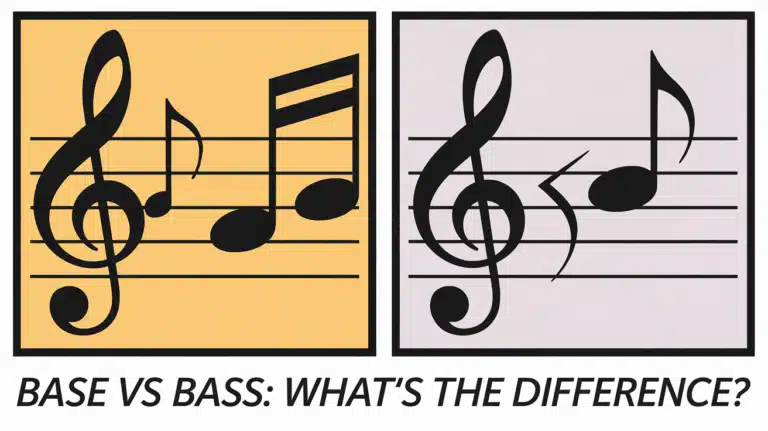
    Base vs Bass: What’s the Difference?

    Byaelonwelsh October 28, 2024October 28, 2024

    In the English language, some words sound similar but have completely different meanings. This is true for base and When it comes to Base vs. Bass, it’s easy to see why these commonly confused words trip people up. Although they sound similar, their meanings and uses are distinct. Base generally refers to a foundation or…

    Read More Base vs Bass: What’s the Difference?Continue

  • Roll Call or Role Call: Which Spelling Is Correct?
    Phrase Alternatives

    Roll Call or Role Call: Which Spelling Is Correct?

    Byaelonwelsh October 27, 2024October 27, 2024

    Confused about whether it’s “roll call” or “role call”? The correct spelling is “roll call” when taking attendance. This common homophone mistake often trips up writers because both words sound identical. The term comes from the historical practice of reading names from a scroll of names. Think of it this way: you take attendance from…

    Read More Roll Call or Role Call: Which Spelling Is Correct?Continue

  • Training Or Trainning: Which One Is Correct?
    Writing Tips

    Training Or Trainning: Which One Is Correct?

    Byaelonwelsh October 27, 2024October 27, 2024

    Understanding the difference between training and trainning is essential for clear communication. Professional language use demands attention to detail, especially when it comes to common English misspellings. Remember, training is the correct spelling, while trainning is a frequent mistake due to confusion over double consonants in spelling. This distinction is crucial in contexts like employee…

    Read More Training Or Trainning: Which One Is Correct?Continue

  • Cancellation vs Cancelation: Which Spelling is Correct?
    Phrase Alternatives

    Cancelation vs. Cancellation: What’s the Correct Spelling?

    Byaelonwelsh October 26, 2024October 26, 2024

    Cancelation and cancellation are two different spellings of the same word, each reflecting regional spelling preferences. In American English, the spelling “cancelation” with a single “l” is commonly used, aligning with simpler forms. British English and Australian English, however, prefer “cancellation” with a double “l,” in line with traditional English language variants. These spelling rules…

    Read More Cancelation vs. Cancellation: What’s the Correct Spelling?Continue

  • Lier or Liar: What’s the Difference? Meaning & Correct Spelling
    Phrase Alternatives

    Lier or Liar: What’s the Difference? Meaning & Correct Spelling

    Byaelonwelsh October 25, 2024October 25, 2024

    Lier and liar are two commonly confused words in English, each with a unique meaning and usage. Lier refers to someone lying in a horizontal position or lying prostrate, while liar is someone who tells lies or is habitually dishonest. Remembering this distinction can improve English language usage and help avoid spelling mistakes. For instance,…

    Read More Lier or Liar: What’s the Difference? Meaning & Correct SpellingContinue

  • Leafs vs. Leaves: Essential Guide to Correct Plural Usage
    Plural Nouns

    Leafs vs. Leaves: Which One to Use

    Byaelonwelsh October 24, 2024October 25, 2024

    The distinction between “leafs” and “leaves” often confuses English speakers. When dealing with plural rules, remember that “leaves” is the standard plural form for most uses, especially regarding plant foliage. This follows English grammar patterns for irregular plurals, similar to knife/knives. However, “Leafs” appears in proper nouns like the Toronto Maple Leafs hockey team. The…

    Read More Leafs vs. Leaves: Which One to UseContinue

Page navigation

Previous PagePrevious 1 … 10 11 12 13 14 … 19 Next PageNext

© 2026 Grammar Glow - WordPress Theme by Kadence WP

  • Home
  • Contact
    • Terms of Service
    • Disclaimer
    • About us
  • Blog
    • Writing Tips
    • Language Devices
    • Grammar
    • Plural Nouns
    • Phrase Alternatives