Skip to content
Grammer Glow

Grammar Glow

  • Home
  • ContactExpand
    • Terms of Service
    • Disclaimer
    • About us
  • BlogExpand
    • Writing Tips
    • Language Devices
    • Grammar
    • Plural Nouns
    • Phrase Alternatives
Grammer Glow
Grammar Glow
  • Good Morning or Goodmorning
    Writing Tips

    Goodmorning or Good Morning: What’s the Difference?

    Byaelonwelsh November 9, 2024November 9, 2024

    Introduction Greeting people with a cheerful “Good Morning” is one of the most common ways to start a conversation, but some may mistakenly use “Goodmorning” instead. Is there a real difference between “Goodmorning” and “Good Morning,” and does it matter which form we use? In this guide, we’ll explore the distinctions, discuss the correct form,…

    Read More Goodmorning or Good Morning: What’s the Difference?Continue

  • Plural of Foreman: Is it Foremen or Foremans?
    Plural Nouns

    Plural of Foreman: Is it Foremen or Foremans?

    Byaelonwelsh November 8, 2024November 8, 2024

    The word “foreman” can seem straightforward, but when it comes to forming the plural, things can get tricky. Is the correct plural “foremen” or “foremans”? This guide dives into the plural of “foreman” to give you a full understanding of its correct form, why this form is used, and how it compares with other nouns…

    Read More Plural of Foreman: Is it Foremen or Foremans?Continue

  • Pre-Existing or Preexisting: Which One is Correct?
    Phrase Alternatives

    Pre-Existing or Preexisting: Which One is Correct?

    Byaelonwelsh November 8, 2024November 8, 2024

    When it comes to the words “pre-existing” and “preexisting,” writers often wonder whether they should hyphenate or use a single, closed form. This question arises because language evolves over time, and style guides offer various approaches to words formed with prefixes like “pre-.” In this article, we’ll dive into the meaning, historical usage, and proper…

    Read More Pre-Existing or Preexisting: Which One is Correct?Continue

  • Coach vs Couch: Definitions, Differences, and Examples
    Writing Tips

    Coach vs Couch: Definitions, Differences, and Examples

    Byaelonwelsh November 8, 2024November 8, 2024

    Ever noticed how two similar-sounding words can create a world of confusion? The words “coach” and “couch” stand as perfect examples of English language’s playful complexity. While one helps transform lives and guide journeys, the other offers comfort and rest after a long day. In today’s digital age, where professional coaching has exploded into a…

    Read More Coach vs Couch: Definitions, Differences, and ExamplesContinue

  • Metaphor vs Analogy: What's the Difference?
    Language Devices

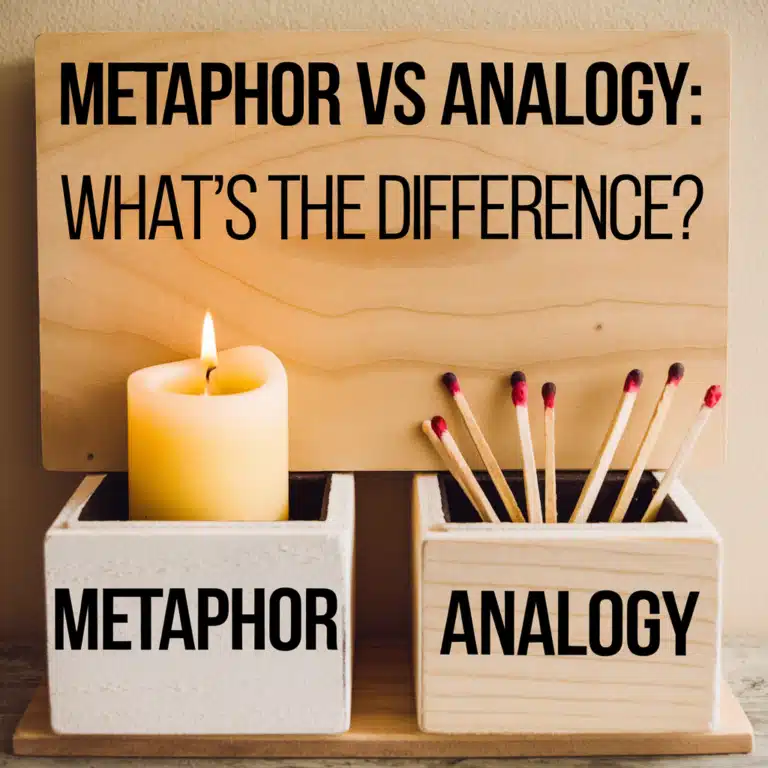
    Metaphor vs Analogy: What’s the Difference?

    Byaelonwelsh November 7, 2024November 9, 2024

    In English, metaphors and analogies are both tools used to explain concepts by comparison, but they have distinct roles in writing and communication. A metaphor directly compares two things by stating one is the other, creating vivid, imaginative descriptions. For example, saying “Time is a thief” suggests time steals moments away, emphasizing its fleeting nature….

    Read More Metaphor vs Analogy: What’s the Difference?Continue

  • Metonymy vs Synecdoche: What’s the Difference?
    Language Devices

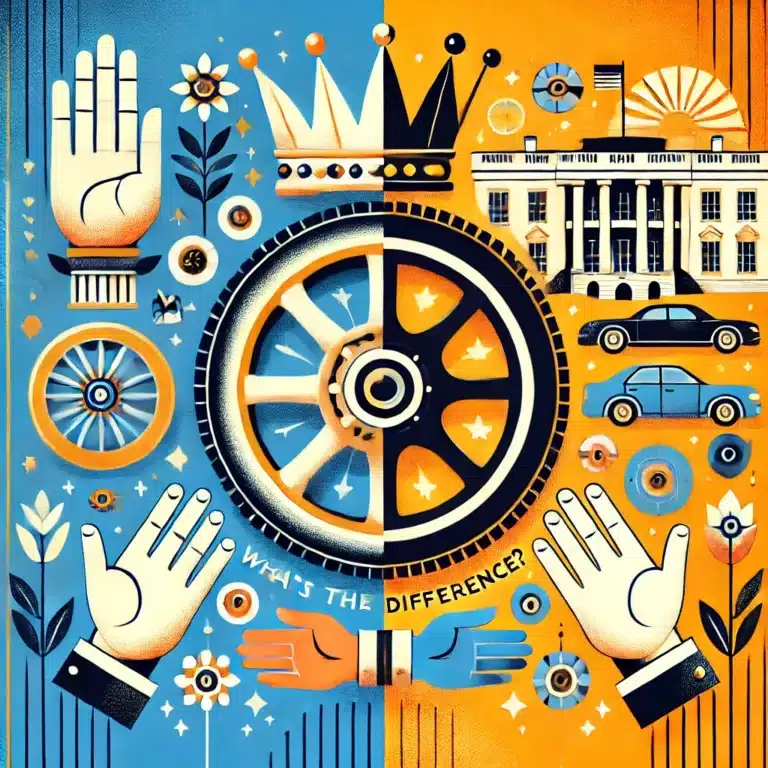
    Metonymy vs Synecdoche: What’s the Difference?

    Byaelonwelsh November 6, 2024November 9, 2024

    Understanding the difference between metonymy and synecdoche can clarify how we use language to create rich, vivid imagery. Though both are literary devices, they serve unique purposes. Metonymy involves substituting one term for another closely related concept. For example, saying “the White House” to refer to the U.S. president’s administration relies on association rather than…

    Read More Metonymy vs Synecdoche: What’s the Difference?Continue

  • Heyday or Hayday: What’s the Right Word to Use?
    Writing Tips

    Heyday or Hayday: What’s the Right Word to Use?

    Byaelonwelsh November 5, 2024November 5, 2024

    If you’ve ever wondered whether to spell it heyday or hayday, you’re not alone! Both words might seem correct at a glance due to their similar sounds, but only one is recognized in English. The correct spelling is heyday and it has a meaning quite different from anything involving “hay.” This term refers to a…

    Read More Heyday or Hayday: What’s the Right Word to Use?Continue

  • Analogy vs Simile: Don't Be Confused by These Comparisons
    Language Devices

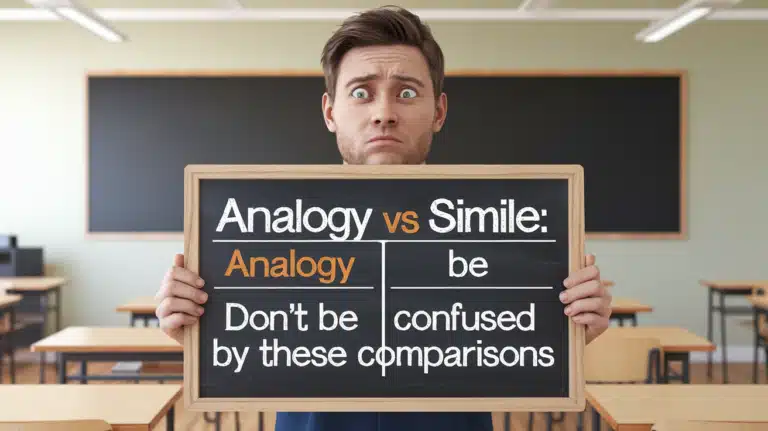
    Analogy vs Simile: Don’t Be Confused by These Comparisons

    Byaelonwelsh November 5, 2024November 5, 2024

    When it comes to expressing ideas with clarity and creativity, both analogies and similes are invaluable tools. While they seem similar at a glance, each serves a distinct purpose in communication. Similes help paint vivid images by directly comparing one thing to another using words like “as” or “like.” In contrast, analogies dive deeper, drawing…

    Read More Analogy vs Simile: Don’t Be Confused by These ComparisonsContinue

  • Tomatoes or Tomato's? the Correct Plural Spelling in English
    Plural Nouns

    Tomatoes or Tomato’s? the Correct Plural Spelling in English

    Byaelonwelsh November 4, 2024November 4, 2024

    When it comes to spelling in the English language, even simple words can cause confusion. One common example is the difference between “tomatoes” and “tomato’s.” This article will explain the correct spelling of the plural form, why the possessive form causes confusion, and how to use each one properly. Whether you’re talking about heirloom tomatoes…

    Read More Tomatoes or Tomato’s? the Correct Plural Spelling in EnglishContinue

  • Decoding the Mystery of the Question Mark in a Box Symbol
    Phrase Alternatives

    Decoding the Mystery of the Question Mark in a Box Symbol

    Byaelonwelsh November 4, 2024November 4, 2024

    The Question Mark in a Box symbol often appears when devices can’t display certain characters or emojis, leaving users puzzled. This placeholder commonly shows up in text messages, emails, and websites when digital representations are missing or unsupported. Most frequently, it’s a result of outdated software or incompatible fonts, which can’t interpret newer or complex…

    Read More Decoding the Mystery of the Question Mark in a Box SymbolContinue

Page navigation

Previous PagePrevious 1 … 9 10 11 12 13 … 19 Next PageNext

© 2026 Grammar Glow - WordPress Theme by Kadence WP

  • Home
  • Contact
    • Terms of Service
    • Disclaimer
    • About us
  • Blog
    • Writing Tips
    • Language Devices
    • Grammar
    • Plural Nouns
    • Phrase Alternatives